How to Catch Sailfish: Tips From Pro Anglers
Learn how to catch sailfish with pro tips on bait, rigs, seasons, and techniques. Improve hook-ups and plan successful offshore trips with expert guidance.


Learning how to catch sailfish starts with understanding why these fish are so exciting to pursue. Sailfish are fast, powerful predators that travel through warm offshore waters, often feeding along current lines and temperature breaks where bait gathers. Their tall dorsal fin, explosive strikes, and dramatic jumps make every encounter challenging and rewarding. Because sailfish often move in small groups, hooking one can quickly lead to multiple opportunities if your presentation is ready. Anglers who study how sailfish respond to changing conditions, how they track bait, and what triggers their feeding behavior see far better results. Before choosing gear or techniques, it’s essential to understand how these fish move and why certain strategies consistently attract them.
Why Fish Behavior Changes With Seasons (The Science Behind It)
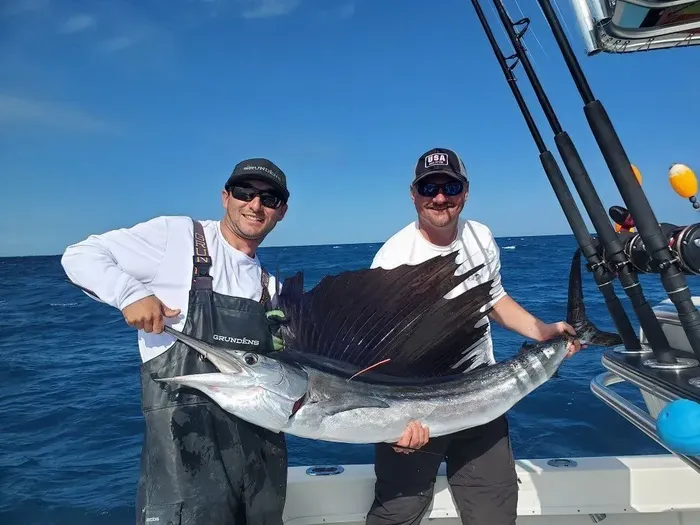
Fish behavior shifts throughout the year because water temperature, daylight, and bait movement constantly change. Most saltwater species, including sailfish, follow temperature bands that hold steady oxygen levels and active forage. When these bands move due to warming surfaces or shifting currents, fish adjust their routes and feeding habits. Understanding these seasonal patterns helps anglers predict where fish will concentrate.
Seasonal changes also influence how fish respond to different fishing techniques. Cooler months pull bait toward the surface, often increasing surface-feeding activity, while warmer periods spread bait deeper and broader. These shifts affect presentation, strike behavior, and the techniques that work best. Matching your approach to seasonal conditions helps you locate productive water and stay ahead of changing fish movement.

The Right Gear: Rods, Reels, Line & Tackle for Sailfish
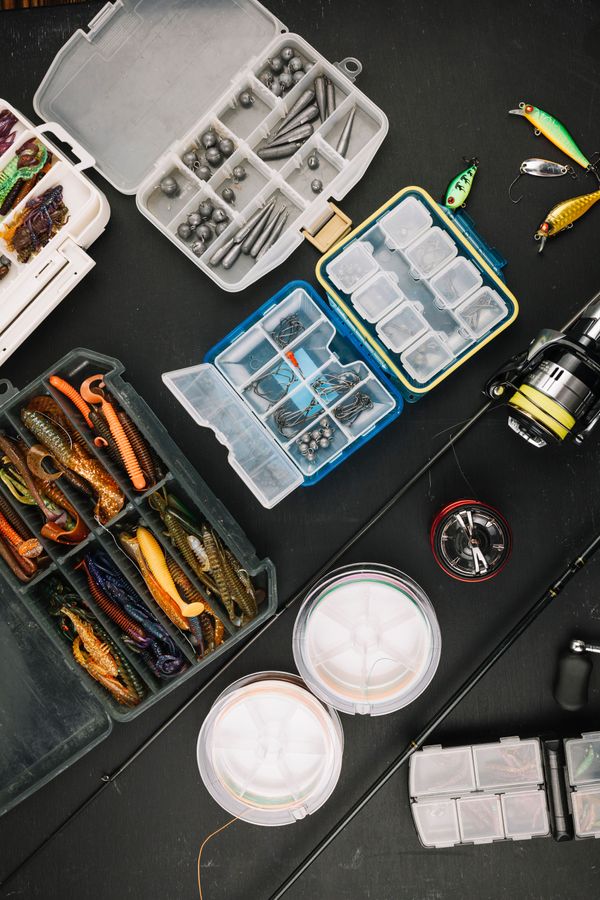
Choosing the right gear is essential when learning how to catch sailfish. These fish move fast, hit hard, and make long surface runs, so your setup needs strength, smooth drag, and reliable control. A balanced rod, reel, and leader combination also supports different fishing techniques, helping your bait move naturally and improving hookup success. The table below gives a quick breakdown of the core gear most anglers rely on when targeting sailfish.
Gear Item | What to Use | Why It Helps |
|---|---|---|
Rod | Medium-heavy offshore rod (12–15 class)  | Handles fast runs and sudden pressure changes |
Reel | 50-lb class reel with smooth drag | Maintains steady pressure and prevents line breaks |
Main Line | Braided or mono line, 20–30 lb | Strong enough for long fights, casts cleanly |
Leader | 40–60 lb fluorocarbon | Low visibility and abrasion resistance in clear water |
Hooks | 5/0–7/0 circle hooks | Clean hookups and better bait presentation |
Terminal Gear | Swivels, crimps, chafe gear | Reduces weak points and protects knots |
Best Bait and Presentation Methods for Sailfish
Choosing the right bait and presenting it naturally in the water are two of the biggest factors in sailfish success. Pro anglers rely on baits that match what sailfish actively feed on offshore, and they adjust their presentation based on wind, current, and how aggressively the fish are feeding that day. Below are the methods and baits that consistently produce results when targeting this fast-moving saltwater species.
Live Bait: The Most Reliable Choice
Goggle Eyes: A preferred live bait because they stay active longer and swim naturally, triggering fast reaction strikes. They are especially effective in steady wind where kite fishing is possible.
Pilchards, Threadfin Herring, and Blue Runners: Used when goggle eyes aren’t available. These baits hold up well, remain lively, and attract sailfish cruising near the surface.
Why Live Bait Works: Sailfish key in on movement. A lively baitfish that darts, vibrates, or flashes naturally is almost impossible for them to ignore.
Dead Bait for Trolling
Ballyhoo: A classic choice that works in calm seas or when covering distance to locate fish. Ballyhoo creates a clean, fluid swimming motion when rigged correctly.
Skirted Ballyhoo: Adding a small skirt mimics a wounded baitfish and prevents spinning at higher trolling speeds. This helps maintain a consistent action in mixed conditions.
Rigging Notes: Salt brining helps keep dead bait firm. A properly centered rig ensures the bait tracks straight without rolling.
Artificial Enhancements
Squid Skirts, Plugs, or Daisy Chains: Used to mimic small pelagic prey and build surface commotion that draws sailfish close. These artificial additions help when baitfish schools are scattered or visibility is low.
Trolling Spreader Bars: Useful in finding active fish across larger offshore zones by imitating a small group of fleeing baitfish.
Bait Presentation: What Pros Prioritize
Natural Movement: Sailfish often refuse baits that spin or drag unnaturally. Ensuring dead baits swim cleanly and live baits move freely is crucial.
Matching Conditions:
Kite fishing is ideal when there’s steady wind.
Trolling works best when you need to cover more water.
Drifting with live bait helps when sailfish are holding in a particular area.
Subtle Adjustments: Small tweaks in speed, leader length, or hook placement often make the difference between interest and a committed strike.
Picking the Right Time and Sea Conditions to Find Sailfish
Understanding how seasons, water temperature, and offshore activity influence sailfish behavior helps you choose the best time and place to fish. The table below summarizes the key factors pros evaluate before heading offshore.
Conditions That Help You Locate Sailfish
Factor | What It Means | How It Helps You Catch Sailfish |
|---|---|---|
Seasonal Patterns | Sailfish follow warm-water currents and migrate where baitfish are most abundant. | Target regions during peak seasonal movements when sailfish concentrate along temperature lines. |
Water Temperature | Moderate, stable temperatures attract baitfish and keep sailfish active near the surface. | Focus on areas with consistent warm water where feeding activity increases. |
Water Clarity | Clear blue water reveals bait and makes it easier to spot surface signs. | Improves sight-casting and helps identify active feeding zones. |
Bird & Bait Activity | Diving birds, surface boils, and fleeing bait indicate predators nearby. | Follow these signs to locate sailfish hunting near the surface. |
Current Edges & Temp Breaks | Shifts in color or temperature create natural pathways for migrating fish. | Troll or drift along these breaks to intercept moving sailfish. |
Wind Conditions | Steady wind supports kite fishing and keeps live baits on the surface. | Enables clean bait presentation and increases strike chances. |
Technique Match | Adjusting approach based on conditions ensures natural bait action. | Use kite fishing in wind, trolling to cover distance, and drifting when fish hold in one depth. |
Best Time of Day | Sailfish feed more actively during low-light periods. | Aim for early morning or late afternoon trips for higher probability of strikes. |
Safety & Planning | Offshore weather and currents can shift quickly. | Check wind, swell, and forecasts or hire a local guide for regional expertise. |
Step-by-Step Pro-Angler Strategy: From Preparation to Hook Set
A successful sailfish trip requires a clear, organized approach. Pro anglers follow specific steps to prepare gear, locate productive water, deploy bait correctly, and manage the fight. These steps help maximize strike opportunities and improve overall landing success.
Step 1: Preparation and Gear Check: Inspect rods, reels, leaders, and knots. Prepare live or dead bait, confirm rigging, and review weather, wind, and sea conditions before leaving the dock.
Step 2: Finding Productive Water: Look for diving birds, bait schools, color changes, or current edges. Use sonar and slow trolling to identify areas where sailfish are actively moving or feeding.
Step 3: Deploying Your Baits: Present live bait naturally using kites or drifts. Rig ballyhoo cleanly for trolling. Adjust hook placement, leader length, and spacing to match clarity and surface action.
Step 4: Reading Strikes and Setting the Hook: Watch for bait skipping, sudden slack, or directional pulls. Let the fish take the bait naturally before tightening drag to secure a clean hook-set.
Step 5: Managing the Fight: Maintain steady pressure, anticipate jumps, and avoid reeling against fast runs. Coordinate with the boat driver to keep the correct angle on the fish.
Step 6: Landing and Release: Bring the fish alongside the boat with controlled pressure. Support the body, remove hooks quickly, and minimize air exposure to ensure a healthy release.
Pro-Angler Mindset, Safety, and Conservation Best Practices
A strong pro-angler mindset blends preparation, awareness, and disciplined decision-making. Understanding how conditions shift throughout the day helps anglers respond quickly and confidently while maintaining control in fast-moving offshore situations. Preparing gear in advance, monitoring weather and water changes, and communicating clearly with the crew all contribute to smoother execution when a sailfish strikes. This approach ensures every movement is intentional and that anglers stay focused on both efficiency and safety during the entire trip.
Conservation plays an equally important role in responsible sailfish fishing. Using circle hooks, minimizing handling, and supporting the fish in the water during release significantly improve survival rates. Ethical anglers also respect marine environments by reducing waste, complying with regional regulations, and participating in tagging programs that support long-term research. Combining strong technique with responsible behavior helps protect sailfish populations while maintaining the quality of the fishing experience for future generations.
How to Choose the Right Guide or Charter for Sailfish
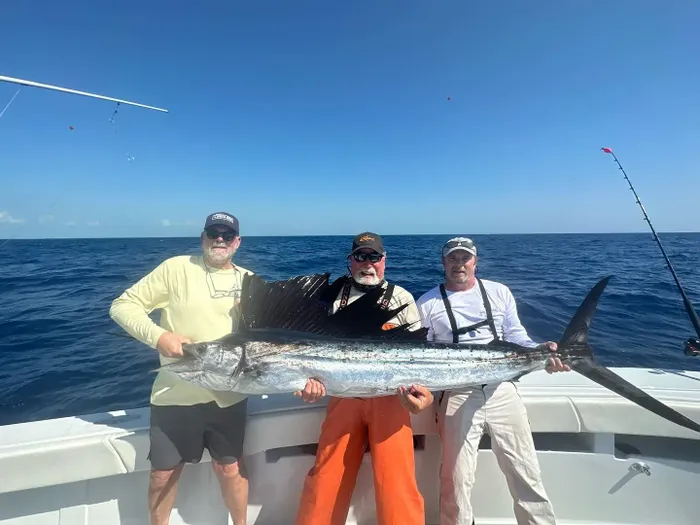
Booking the right guide or charter can significantly improve your chances of landing a sailfish, especially when fishing new waters or navigating seasonal patterns. Experienced captains understand migration timing, bait behavior, and local techniques, making your trip more efficient and productive.
Booking Criteria: Ask about the guide’s sailfish experience, seasonal success, preferred techniques, and how they structure their day on the water.
Sailfish-Ready Setup: Choose charters equipped with kite systems, quality outriggers, strong livewell capacity, and electronics for locating bait schools and temperature breaks.
Regional Techniques: Different locations favor different methods. Some regions rely on kite fishing, others on trolling or pitch-baiting. Pick a guide skilled in the dominant regional style.
Included Gear: Most charters provide rods, reels, leaders, circle hooks, kites, and rigged ballyhoo. Confirm whether live bait is supplied or needs separate purchase.
Trip Format Options: Half-day trips suit beginners, full-day trips offer better fish-finding opportunities, and tournament trips use competitive, high-efficiency tactics.
Conclusion
Catching sailfish demands preparation, innovative technique, and awareness of changing offshore conditions. When anglers understand bait behavior, gear choices, and environmental patterns, each decision becomes more effective on the water. Responsible practices such as proper handling, minimal air exposure, and ethical release help protect sailfish for future generations. Continue exploring expert techniques, species insights, and guided trip options on Guidesly to refine your skills and prepare for a successful, safe, and rewarding offshore sailfish adventure.
FAQs
1. How deep do sailfish usually swim when actively feeding?
Sailfish often patrol mid-depth zones where temperature layers hold bait, rising only when conditions shift. Depth varies widely, making sonar and surface signs valuable tools for locating them.
2. What time of day gives the best chance of spotting free-jumping sailfish?
Early mornings and calm afternoons commonly reveal free-jumping sailfish. Glassy surface conditions make distant splashes easier to notice, helping anglers quickly and confidently identify active areas.
3. Do sailfish prefer certain water temperatures when moving through offshore regions?
Sailfish typically favor warm bands where bait concentrates. Slight temperature changes often indicate productive zones, guiding anglers toward areas holding active predators moving along shifting current edges.
4. How fast should a boat move when searching for scattered sailfish?
Moderate cruising speeds help cover water without missing surface activity. Moving steadily allows anglers to scan rips, bird activity, and distant jumps that reveal roaming sailfish nearby.
5. What is the safest way to handle a sailfish during release?
Supporting the bill gently and keeping the fish in the water ensures safer releases. Controlled positioning helps the fish regain strength before swimming away independently.
6. How can anglers tell if a sailfish strike was short or tentative?
Light pressure changes or brief taps on the line often signal tentative strikes. Watching rod movement closely helps determine when to reposition or adjust presentation effectively.
7. What indicators help identify areas with concentrated offshore bait schools?
Diving birds, rip lines, drifting weed patches, and shifting color changes usually signal bait presence. These surface cues quickly guide anglers toward more productive offshore locations.
8. Why do sailfish sometimes drop baits after initial contact?
Sudden pressure changes or unnatural movement can cause quick rejections. Allowing a more relaxed initial encounter helps prevent spooking, giving sailfish time to commit naturally.
9. What weather conditions typically improve sailfish visibility near the surface?
Clear skies and light winds improve surface clarity, making fins and wakes easier to spot. Stable conditions also help anglers track subtle movements from cruising sailfish.
10. How do anglers recognize when sailfish are traveling in groups?
Multiple surface swirls, synchronized movements, or simultaneous bird activity often reveal groups. Observing patterns closely helps determine direction and prepares anglers for consecutive opportunities.