Top 10 Bass Fishing Techniques Every Angler Should Know
Discover proven bass fishing techniques, lures, and tips to catch more freshwater bass year-round. Learn strategies for all skill levels.


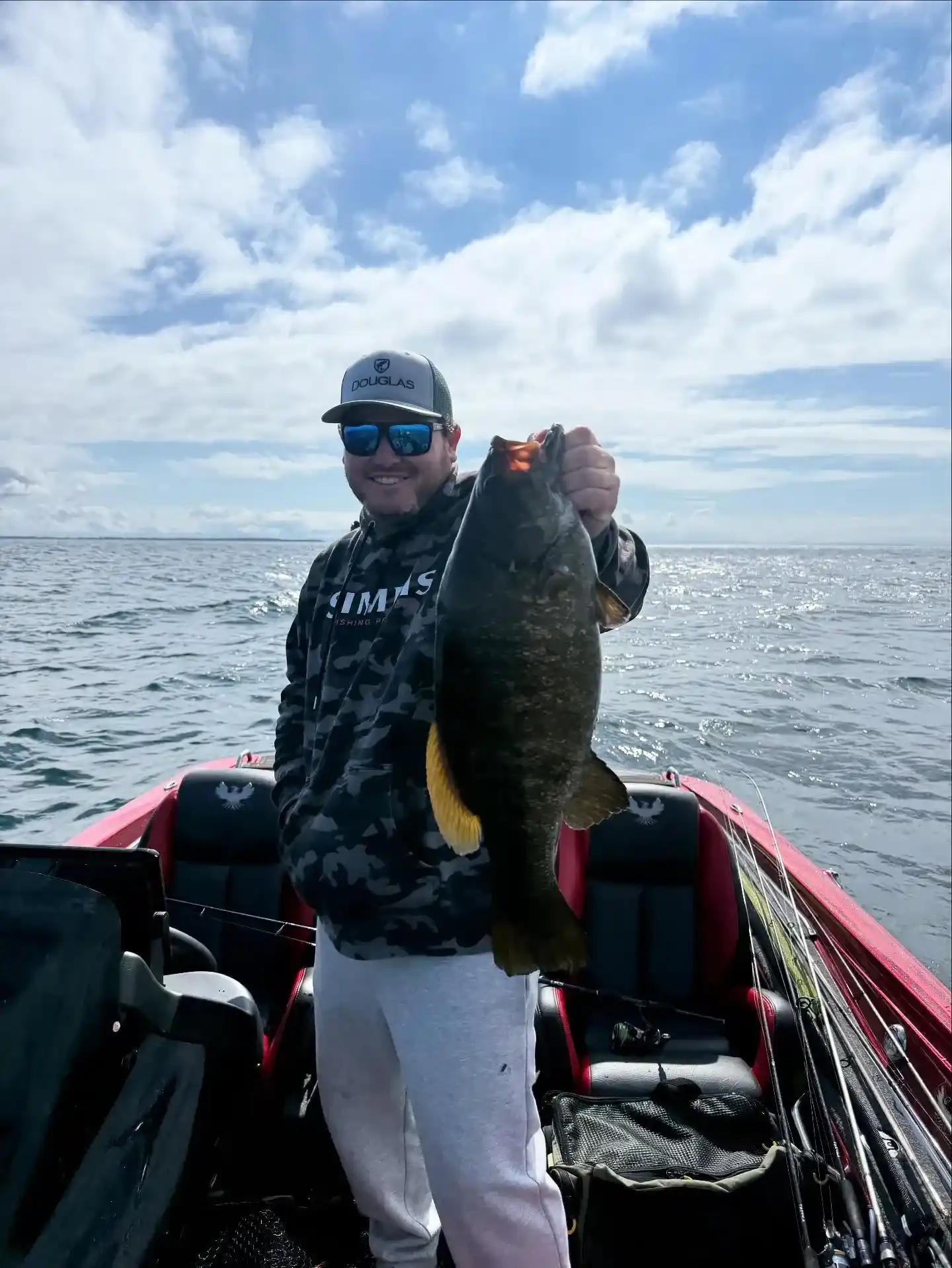


If you love bass fishing, you already know the feeling, some days the bites come easy, and other days… nothing. The difference often comes down to technique. The way you work a lure, the depth you target, or even how fast you reel can completely change your results. And when it comes to freshwater bass, a few smart techniques can help you catch more fish consistently, no matter where you’re fishing.
Bass are curious, aggressive, and sometimes downright stubborn. They respond differently depending on the weather, water clarity, and the kind of structure they’re hiding around. That’s why anglers who know multiple bass fishing techniques usually end up out-fishing everyone else. A Texas rig might work one day, while a crankbait or finesse approach works the next.
This blog walks you through the top techniques, lures, and simple tips that actually make a difference on the water without overcomplicating things. If you want to boost your catch rate, understand bass behavior a little better, and feel more confident with what you're throwing, you’re in the right place.

Let’s jump in and get you catching more bass.
How to Read Bass Behavior & Environment (Pre-Casting Strategy)
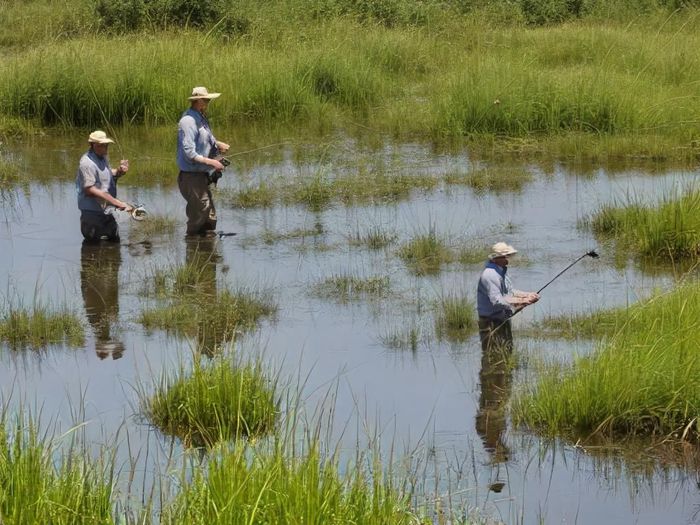
If you want to hook more bass before you even make your first cast, start by reading the water, not guessing. Understanding bass behavior, seasonal patterns, and how they react to their surroundings is one of the biggest advantages an angler can have. Think of it as your secret weapon: when you know where the fish are and what mood they’re in, choosing the right lure and technique becomes almost effortless.
Bass don’t roam randomly. They follow predictable habits based on water temperature, structure, forage, and weather changes. Learning to “think like a bass” helps you decide whether to fish slow, fast, shallow, or deep. Here’s how to dial in your pre-casting plan so every cast has a purpose.
1. Start With Water Temperature
Water temperature is one of the strongest indicators of how active bass will be.
- 50–60°F: Slow-moving lures, finesse techniques.
- 60–70°F: Prime feeding range; crankbaits, spinnerbaits, swimbaits work great.
- 70–80°F: Aggressive topwater strikes and fast-moving reaction baits.
Cold water? Slow down. Warm water? Speed up.
2. Look for Structure, Not Just Open Water
Bass love cover because it helps them ambush prey. Prioritize spots like:
- Fallen trees
- Weed lines
- Rock piles
- Docks
- Ledges
- Creek channels
If you see baitfish activity or ripples near structure, you’re already close to a productive zone.
3. Pay Attention to Water Clarity
Water clarity tells you what type of lures and colors to use.
- Clear water: Natural colors, finesse techniques, quieter presentations.
- Stained/muddy water: Bright colors, vibrating lures, and bigger profiles.
Bass rely more on vibration and sound in low visibility conditions.
4. Watch for Surface Clues
Some of the best hints are right in front of you:
- Jumping baitfish = active feeding bass
- Gentle swirls = roaming or cruising bass
- Birds diving = prey moving near the surface
- Frogs or insects = perfect time for topwater lures
If the water “feels alive,” stay there.
5. Match the Forage (The #1 Rule)
Every lake has a buffetshad, bluegill, crawfish, frogs, perch. Bass always go where the food is. If you see:
- Shad: Throw flukes, swimbaits, and crankbaits
- Bluegill: Use jigs, chatterbaits, or paddle-tail swimbaits
- Crawfish: Texas rigs, jigs, and creature baits
Matching what they eat boosts your chances instantly.
Top 10 Bass Fishing Techniques- The Core
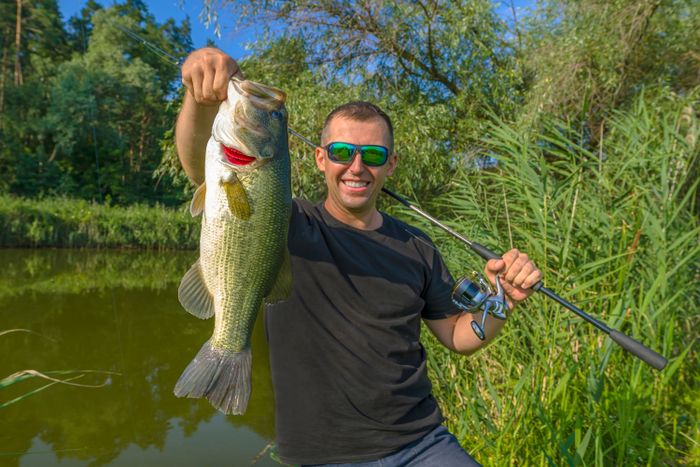
When bass aren’t biting the way you expect, the real game-changer is technique. The right presentation, lure action, and retrieval style can instantly turn a slow day into a nonstop strike zone, especially when you’re targeting freshwater bass in changing conditions.
1. Soft Plastic Worms & Stick-Baits (Texas / Wacky / Carolina Rigging)
When bass get picky or pressured, soft plastics become your best friend. Their natural movement, slow fall, and versatility make them one of the most reliable freshwater bass fishing lures for all seasons and conditions.
Benefits
- Extremely versatile for shallow, mid-depth, and deep-water bass
- Natural action attracts both aggressive and finicky fish
- Works well in clear, stained, and vegetation-heavy waters
- Ideal for beginners and pros alike
Key Tactics
- Texas Rig: Perfect for fishing heavy cover, weeds, and structure without snagging
- Wacky Rig: Best for pressured lakes; subtle wobble triggers reaction bites
- Carolina Rig: Great for covering larger areas and locating deeper bass
- Use a slow lift-and-drop retrieve for natural movement
- Pause frequently, bass often strike on the fall
Recommended Lures
- Senko-style stick baits
- Zoom Trick Worms
- Berkley Power Worms
- Fat stick-baits for stained water
- Lighter worms for clearer water
Safety Tips
- Use proper hook removal tools to prevent injury to the fish
- Handle soft plastics responsibly. Avoid leaving torn baits in the water
- Store rigs safely to prevent accidental hook punctures
- Use barbless hooks in heavily pressured or catch-and-release lakes
Jig Fishing (Flipping, Swimming, Bottom-Dragging)
When bass bury themselves in heavy cover, jigs become your best friend, offering a realistic profile, a bulky presence, and a strike-triggering fall that big freshwater bass simply can’t ignore.
Why Jig Fishing Works (Benefits)
- Mimics crawfish and bluegill, the two highest-value meals for largemouth and smallmouth bass.
- Effective in shallow grass, deep structure, rock piles, and timber.
- Produces year-round, especially in cold water when bass want slower, heavier presentations.
- Ideal for targeting big, mature bass that avoid fast-moving baits.
Key Tactics (Flipping, Swimming, Dragging)
- Flipping Jigs: Drop silently into bushes, docks, or hydrilla pockets. Most bites happen in the fall.
- Swimming Jigs: Retrieve through grass lines to mimic shad or bluegill fleeing.
- Bottom-Dragging: Slowly drag across rock or gravel to resemble a crawling bait.
- Mix small hops, long pulls, and pauses. Subtle changes trigger reaction strikes.
Recommended Jigs & Trailers
- Jig Types: Football jigs, swim jigs, Arkie jigs, finesse jigs
- Best Trailers: Craws, creature baits, twin-tail grubs, paddle-tail swimbaits
Color Guide:
- Black/blue for stained or muddy water
- Green pumpkin for clear water
- Brown/orange for crawfish-heavy lakes
- Go with 3/8 to 1/2 oz for all-around performance; heavier for deep structure.
Safety Tips for Jig Fishing
- Keep tension during close-quarters flipping to avoid sudden snaps.
- Use polarized sunglasses to see structure and protect your eyes from ricocheting jigs.
- Prefer fluorocarbon (17–20 lb) or braid (40–65 lb) depending on cover.
- Watch your footing on slippery banks, flipping requires stability.
Crankbaits (Shallow, Medium & Deep Divers)
When bass are chasing baitfish and covering water fast, crankbaits help you scan huge areas quickly, diving to the exact depth where fish are feeding and triggering explosive reaction strikes with their wobble and vibration.
Why Crankbaits Work (Benefits)
- Cover large water areas quickly, ideal for locating active bass.
- Dive to precise depths, shallow (2–6 ft), medium (7–12 ft), deep (15+ ft).
- Mimic shad, crawfish, and bluegill with lifelike wobble and sound.
- Excellent in pre-spawn, fall feeding, and post-front conditions.
Key Tactics (Shallow, Mid & Deep)
- Shallow Crankbaits: Bounce off wood, grass, and rock to provoke impulsive strikes.
- Medium Divers: Target suspended bass on points and drop-offs.
- Deep Divers: Hit ledges, humps, and deep structure in summer.
- Mix retrieve speeds, steady, stop-and-go, or a burn-and-pause technique to trigger hits.
Recommended Crankbaits & Colors
- Top Choices: Squarebills, round-bills, lipless crankbaits
Depth Picks:
- Shallow: 1.5 squarebill
- Medium: 5–8 ft crank
- Deep: 6XD, 10XD-style divers
Color Guide:
- Shad patterns in clear water
- Chartreuse in stained water
- Crawfish reds in early spring
Safety Tips for Crankbait Fishing
- Treble hooks are sharp, use pliers to unhook safely.
- Avoid close-quarter casting around others.
- Keep tension during retrieves to prevent crankbaits from rocketing back on a missed hookset.
- Use rod holders or lure keepers when walking to avoid snags.
Lipless Crankbaits & Blade-Type Baits
When bass are schooling, chasing shad, or feeding aggressively in open water, lipless crankbaits and blade baits shineoffering flash, vibration, and speed that force instant reaction strikes from even the most pressured bass.
Why Lipless & Blade Baits Work (Benefits)
- Produce a strong vibration that bass can detect from long distances.
- Ideal for covering water fast and locating active fish.
- Excellent for cold-water bass, fall feeding, and pre-spawn.
- Can be fished at any depth, topwater burn, mid-depth yo-yo, or along the bottom.
Key Tactics (Burning, Yo-Yo, Slow-Rolling)
- Burning: Retrieve fast across flats to imitate fleeing shad.
- Yo-Yo Technique: Lift and drop to mimic dying baitfish killer in winter and early spring.
- Slow-Rolling: Drag or reel slowly across the bottom to trigger lethargic bass.
- Ripping Through Grass: Snap the lure free from vegetation to cause reaction bites.
Recommended Lures & Colors
- Top Lipless Cranks: Rat-L-Trap, Red Eye Shad, LV-500
- Blade Baits: Silver Buddy, SteelShad, Vib-E
Color Guide:
- Chrome/blue for clear water and sunny days
- Red lipless baits during spring crawfish season
- Gold for stained or low-light conditions
- White/shad for schooling bass
Safety Tips for Lipless & Blade Baits
- Handle with caution, most models have two to three treble hooks.
- Use long-nose pliers for safe hook removal.
- Wear polarized sunglasses to avoid injury from flying lures when ripping through grass.
- Avoid jerking too close to your body, these baits are heavy and can rebound fast.
Spinnerbaits & Bladed Baits
When bass hide deep in cover or chase baitfish along windy banks, spinnerbaits and bladed baits create the perfect mix of flash, vibration, and movement, drawing bass out even when visibility is low, and strikes seem slow.
Why Spinnerbaits & Bladed Baits Work (Benefits)
- Excellent in stained, muddy, or windy conditions where bass hunt by vibration.
- Ideal for fishing through grass, timber, brush, and shallow cover without constant snagging.
- Mimic shad and bluegill, two of the most common freshwater bass forage species.
- Trigger reaction bites from inactive or pressured bass.
Key Tactics (Slow-Rolling, Burning, Bumping Cover)
- Slow-Rolling: Crawl the bait near the bottom for cold-water or sluggish fish.
- Burning: Retrieve fast across shallow flats during active feeding windows.
- Bumping Cover: Let the blades deflect off stumps, docks, or logs to trigger instinctive strikes.
- Windy Banks Trick: Fish spinnerbaits along wind-blown shorelines where bass ambush pushed baitfish.
Recommended Lures & Blade Styles
- Spinnerbaits: Double willow, Colorado-willow, and single Colorado blade models
- Bladed Jigs (Chatterbaits): Ideal for grass lines and shallow cover
Color Guide:
- White / shad for clear-water baitfish imitation
- Chartreuse for stained or muddy water
- Bluegill patterns in shallow vegetation
Blade Options:
- Willow blades: More flash, less thump
- Colorado blades: More thump, great for dirty-water bass
Safety Tips for Spinnerbait Fishing
- Keep fingers clear of the wire frame and hook when storing spinnerbaits that tangle easily.
- Use pliers when removing a deeply hooked bass.
- Secure spinnerbaits in a dedicated box to avoid bending blades or pricking yourself.
- Wear polarized sunglasses to deflect glare and avoid hook injuries.
Finesse Techniques Drop Shot / Ned Rig / Light Worms
When bass turn picky, pressured, or inactive, finesse rigs become your secret weapon: light lines, subtle movements, and small-profile baits that convince even the smartest freshwater bass to bite when everything else fails.
Why Finesse Techniques Work (Benefits)
- Perfect for clear water, high-pressure lakes, and cold-front conditions.
- Mimic small, easy prey that bass won’t hesitate to eat.
- Ideal for catching both numbers and quality fish.
- Stay effective year-round, especially during tough bite windows.
Key Tactics (Drop Shot, Ned Rig, Light Worms)
- Drop Shot: Keep your bait suspended just above the bottom, deadly for suspended or spooky bass.
- Ned Rig: Hop or drag the small, floating bait for subtle, natural movement.
- Light Worms: Work slowly with tiny twitches to imitate finesse prey.
- Use light line (6–10 lb fluoro) and minimal rod movement for the most natural presentation.
Recommended Baits & Gear
- Drop Shot Baits: Small minnows, straight-tail worms, finesse shad
- Ned Rig Baits: TRD-style stick baits, small craws
- Light Worms: 4" finesse worms, mini creature baits
Colors:
- Natural greens and browns for clear water
- White & shad for suspended fish
- Black for low light
- Use medium-light spinning gear for maximum sensitivity.
Safety Tips for Finesse Fishing
- Handle light hooks carefully, they penetrate easily due to the thin wire.
- Keep tension steady to avoid losing fish on light line.
- Watch for underwater snags; finesse rigs often run close to the bottom.
- Use barbless hooks if practicing catch-and-release to protect fish health.
“Cover-Based” Bass Fishing Fishing Grass, Timber, and Heavy Vegetation
When bass bury themselves deep in weeds, timber, and tangled vegetation, your success depends on how confidently you can pull fish out of the thickest cover because that’s where the biggest, smartest bass hide.
Why Cover-Based Fishing Works (Benefits)
- Bass use cover for shade, ambush, oxygen, and protection, making it a prime feeding zone.
- Heavy cover holds larger, more aggressive fish that avoid open water.
- Ideal in summer heat, post-front conditions, and high-pressure lakes.
- Increases your chances of consistent, repeatable catches throughout the day.
Key Tactics for Grass, Timber & Vegetation
- Grass Beds: Punch through thick mats using heavy Texas rigs or jigs. Work edges during low light and punch deeper during midday heat.
- Timber: Flip or pitch into vertical cover, letting your bait fall naturally down the trunk.
- Heavy Vegetation: Use weedless lures, frogs, pitching jigs, and heavy creature bait to get into spots other lures can’t reach.
- Always pause after the initial fall; bass often strike instantly.
Recommended Lures & Gear for Cover Fishing
Lures:
- Heavy jigs (3/8–1 oz)
- Punch rigs
- Weedless frogs
- Texas-rigged creature baits
Gear:
- Heavy-power rods (7'2”–7'6”)
- 40–65 lb braided line for vegetation
- Fast gear ratio reels for quick hooksets
Color Guide:
- Green pumpkin for grass
- Black/blue for muddy cover
- Natural browns for timber zones
Safety Tips for Fishing Heavy Cover
- Keep a tight gripbig bass can wrap your line around grass or timber fast.
- Use braid to avoid line breaks near sharp wood edges.
- Watch footing when fishing around flooded timber or slippery grass banks.
- Keep hooks pinned down when moving through brush to avoid snags and injuries.
Night-Time & Low-Light Bass Fishing Techniques
When the sun dips, temperatures fall, and the lake turns quiet, big bass become boldmaking night-time and low-light conditions some of the most rewarding moments to catch trophy-sized freshwater bass.
Why Night & Low-Light Fishing Works (Benefits)
- Bass feed more confidently in the dark, reducing pressure and competition.
- Cooler water temps bring bigger fish shallow.
- Ideal for summer nights, pre-dawn hours, and cloudy, windy evenings.
- Less boat traffic = more natural bass behavior and higher strike rates.
Key Tactics for Dark & Dim Conditions
- Fish Slow & Steady: Bass rely on vibration more than sight at night.
- Target Shallow Structure: Points, docks, and weed edges are prime feeding areas.
- Use Dark Silhouettes: Black or dark-colored lures create stronger outlines.
- Work Noisy Baits: Choose lures with rattle, thump, or vibration for easier tracking.
- Fish with patience often bite more softly but hit harder when they commit.
Recommended Lures for Night Bass Fishing
Top Choices:
- Buzzbaits
- Black spinnerbaits
- Slow-rolling swim jigs
- Colorado-blade spinnerbaits
- Dark soft plastics (10” worms, creatures)
Gear Tips:
- Use 15–20 lb fluorocarbon or 40–50 lb braid for sensitivity and strength.
Color Guide:
- Black or black/blue for strong silhouettes
- Junebug or purple for stained low-light water
Safety Tips for Night-Time Bass Fishing
- Always keep navigation lights on and carry a headlamp with extra batteries.
- Watch footing when fishing from shore or docksvisibility is limited.
- Keep your deck organized to avoid tripping over rods or tackle.
- Move slowly when casting. Night fishing increases the risk of accidental hook injuries.
Adaptability & Matching the Hatch Lure & Retrieval Adjustments Based on Conditions
When bass suddenly stop biting, it’s rarely your spot; it’s usually your presentation. Matching the hatch and adapting your lure choice, size, color, and retrieve to real-time conditions is what separates consistent anglers from frustrated ones.
Why Matching the Hatch Works (Benefits)
- Imitates exactly what bass are feeding on at that moment: crawfish, bluegill, minnows, and insects.
- Increases strike probability by blending realism with natural movement.
- Helps you stay productive across seasonal shifts, weather changes, and water clarity variations.
- Makes your lure appear like the “easiest meal,” even to pressured or finicky bass.
Key Tactics for Adapting on the Water
- Observe Before Casting: Look for bait size, color, speed, and depth. Match those details.
- Adjust Retrieval Speed: Slow down in cold water or pressure; speed up during feeding frenzies.
- Downsize When the Bite Gets Tough: Smaller profiles often outperform big flashy baits.
- Switch Colors Based on Visibility: Use natural hues in clear water and bold colors in stained or muddy conditions.
Follow Seasonal Forage Trends:
- Spring = crawfish patterns
- Summer = shad
- Fall = schooling baitfish
- Winter = slow-moving prey
Recommended Lures for Matching the Hatch
- Shad Forage: Flukes, jerkbaits, shad-pattern crankbaits, swimbaits
- Crawfish Forage: Jigs, squarebills, creature baits in red/brown tones
- Bluegill Forage: Bluegill-colored spinnerbaits, chatterbaits, swim jigs
- Small Forage / Tough Bite: Finesse worms, Ned rigs, small swimbaits
Color Guide:
- Natural greens & browns: Clear water
- Chartreuse & bold tones: Dirty water
- White/silver: Shad or schooling baitfish
Safety Tips for Constant Lure Switching
- Keep hooks covered or use hook protectors when changing lures frequently.
- Organize your tackle box to avoid grabbing sharp treble hooks blindly.
- Use pliers when tightening or removing split rings to prevent hand injuries.
- Handle fast-moving reaction lures carefully. Treble hooks can snag easily.
Essential Gear & Setup Tips
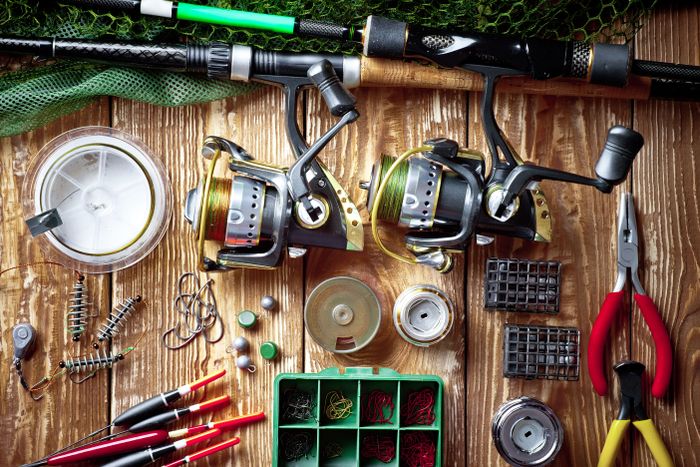
When your gear is dialed in, every cast feels smoother, every hookset lands harder, and every fish fight becomes more controlled. Bass fishing success isn’t just about technique; it’s about having the right setup working with you, not against you.
Bass anglers often overlook the small details that make the biggest difference: rod power, reel speed, line type, lure weight, knot choice, and even hook style. Here’s a simple, step-by-step breakdown to help you fine-tune your freshwater bass fishing setup for maximum efficiency and strike conversion.
Step-by-Step Gear & Setup Guide
1. Choose the Right Rod for the Technique
- Medium Power + Fast Action: Ideal for crankbaits, topwaters, jerkbaits.
- Medium-Heavy Power + Fast Action: Best for jigs, Texas rigs, spinnerbaits.
- Heavy Power + Extra Fast: Use in vegetation, flipping, punching, frogging.
- Longer rods (7’0”–7’6”) provide more casting distance and better hooksets.
2. Match the Reel to the Rod & Technique
- Baitcasting Reels: Best for power techniques, accuracy, and heavy lures.
- Spinning Reels: Perfect for finesse presentations like drop shot, Ned rig.
Gear Ratio Tip:
- 7.1:1 and above for fast retrieves (frogs, jigs, chatterbaits)
- 6.4:1 for versatile, all-purpose bass fishing
- 5.x:1 for slow cranking deep divers
3. Select the Correct Line Type
- Fluorocarbon (12–20 lb): Invisible underwater; great for clear water, bottom-contact baits.
- Braid (30–65 lb): Zero stretch; ideal for thick grass, lily pads, timber.
- Monofilament (10–15 lb): Floats; perfect for topwater lures.
- Use leader lines (fluoro on braid) in clear water for finesse rigs.
4. Choose Hooks That Match Your Bait
- Wide Gap Hooks: Best for soft plastic worms & creature baits.
- Straight Shank Hooks: Punching, flipping, and heavy cover.
- Treble Hooks: Crankbaits, jerkbaits, lipless baits.
- Keep hooks razor-sharp; sharp hooks = higher catch rates.
5. Balance Your Lure Weight & Casting Setup
- Heavier weights (1/2–1 oz) for punching vegetation.
- Medium weights (1/4–3/8 oz) for Texas rigs and jigs.
- Light weights (1/8–3/16 oz) for finesse or shallow-water fishing.
- Proper balance improves accuracy, fall rate, and presentation.
6. Tune Your Drag for Each Technique
- Tight Drag: Frogging, punching, heavy cover fishing.
- Medium Drag: Spinnerbaits, chatterbaits, swimbaits.
- Light Drag: Drop shot, Ned rig, light-line finesse.
- Bass often surge at the boats, smooth drag prevents break-offs.
7. Adjust Your Knot for Maximum Strength
- Palomar Knot: Best for fluorocarbon and braid.
- Improved Clinch: Works well for crankbaits and treble-hook lures.
- Snell Knot: Best for heavy cover flipping and punching.
- Retie knots regularly bass fights + structure = weakened line.
8. Keep Your Tackle Organized for Fast Switching
- Use labeled boxes for jigs, crankbaits, terminal tackle, and soft plastics.
- Keep leaders pre-tied to save time on the water.
- Store rods vertically to protect tips and guides.
- Organizing gear means more time fishing, less time searching.
Suggested Fishing Spots & Habitat Types for Freshwater Bass
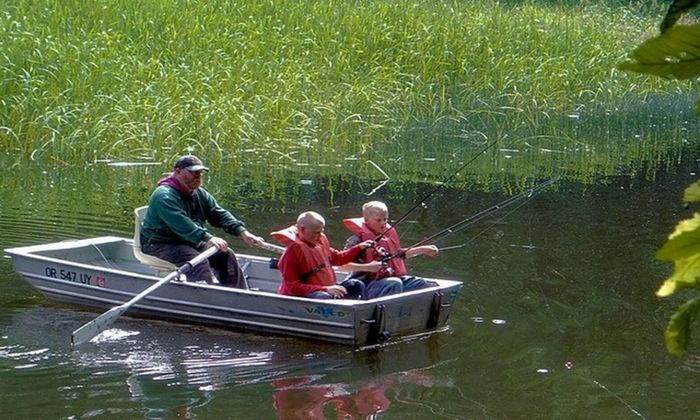
If you’ve ever wondered, “Where do big bass actually hide year-round?” you’re not alone. Finding the right spot is half the battle, and knowing seasonal bass movement can instantly increase your catch rate, whether you’re fishing lakes, rivers, or reservoirs across the world.
Bass don’t just roam randomly they follow predictable seasonal patterns, water temps, and structure. Here’s a quick guide to the best global bass habitats and seasonal hotspots to help you plan smarter and fish with confidence.
Region | Best Habitat Types | Prime Seasonal Spots | What Makes It Productive | Ideal Lures to Use |
North America (USA & Canada) | Weedlines, rocky points, submerged timber, shallow coves | Spring: Shallow spawning flats | Stable water temps, strong forage base, structure-rich lakes | Spinnerbaits, crankbaits, soft plastics, jigs |
Summer: Deep humps & ledges | ||||
Fall: Creek channels & baitfish pockets | ||||
Winter: Deep reservoirs | ||||
South America (Amazon & Reservoirs) | Flooded forests, marsh edges, submerged logs | Spring/Summer: Shallow cover & flooded timber | Warm climate with aggressive peacock bass; heavy structure | Topwaters, large jerkbaits, swimbaits |
Dry season: Channels and deeper pockets | ||||
Europe (Spain, Italy, France) | Clear reservoirs, rocky shorelines, aquatic vegetation | Spring: Shallow rock edges | Clear water = sight feeding; predictable seasonal transitions | Finesse worms, jerkbaits, jigs |
Summer: Deep clear basins | ||||
Fall: Points & shore drop-offs | ||||
Asia (Japan, Thailand) | Dense vegetation, river inlets, man-made lakes | Spring: Shallow grassy zones | Combination of vegetation + baitfish movement | Soft plastics, frogs, finesse rigs |
Summer: Shade under pads & docks | ||||
Fall: Inlet currents | ||||
Australia (Murray–Darling Basin) | Timber-filled rivers, shallow billabongs | Spring: Warmer shallow bays | Semi-tropical systems with high shelter demand | Surface lures, crankbaits, grubs |
Summer: Under logjams | ||||
Winter: Deep bends | ||||
Africa (South Africa) | Rocky impoundments, reeds, submerged brush | Spring: Reeds & grassy zones | Heat-driven behavior + structured lakes | Spinnerbaits, creature baits, jigs |
Summer: Rocky points | ||||
Winter: Deepwater rock piles |
Conclusion
If there’s one truth every angler learns fast, it’s this: mastering bass fishing isn’t about luck, it’s about knowing the right techniques, the right gear, and the right spots. When you understand how bass behave, where they move season-to-season, and which lures trigger bites in changing conditions, you instantly fish smarter and catch bigger.
From finesse rigs to topwater strikes, structure reading to habitat selection, these core techniques give you a real edge on any lake, river, or reservoir worldwide.
Ready to level up your bass fishing with expert guidance, smarter planning, and seamless trip support?
Explore more tools, guides, and pro resources at Guidesly and bring your best catches to life.