How to Target Panfish in Lakes and Ponds
Learn how to target panfish in lakes and ponds with tips for catching crappie, bluegill, and perch using the right baits, depths, and seasonal techniques.


Panfish such as crappie, bluegill, and perch follow clear patterns in lakes and ponds, moving between shallow weeds, mid-depth cover, and deeper edges as conditions shift. Their behavior changes with temperature, light, and food availability, which makes understanding these environmental cues essential for locating active fish. Bluegill often gather in warm, vegetated shallows, crappie suspend around brush piles or drop-offs, and perch form roaming schools along cooler, deeper zones. Each species responds uniquely to clarity, seasonal changes, and available forage, yet all rely on structure and depth transitions for feeding and protection. Recognizing how these factors guide daily movement allows anglers to approach lakes and ponds with greater accuracy and consistency when targeting panfish.
Environmental Factors That Control Panfish Movement
Panfish adjust their location and feeding intensity based on the changing conditions in lakes and ponds. Three core environmental cues influence how crappie, bluegill, and perch behave: water temperature, clarity, and light levels.
1. Water Temperature
Temperature affects metabolism and depth selection. Warm, stable water pushes bluegill and crappie into shallows, while cooling periods send perch and suspended crappie toward deeper edges. Sudden drops, slow feeding, and require smaller baits and slower presentations.

2. Water Clarity
Clear water encourages visual feeding, so natural colors and subtle movements work best. In stained or muddy ponds, panfish rely more on vibration and scent, making brighter jigs, blades, or small live bait more effective.
3. Light Levels
Low light at dawn, dusk, or on cloudy days increases activity as panfish move confidently along weed lines, brush, and open flats. Bright midday sun often pushes them into shade, docks, or deeper transitions for protection.
Key Panfish Habitats in Lakes and Ponds
Panfish in lakes and ponds concentrate around reliable structures that offer food, shade, and protection. From shallow weed beds to deeper drop-offs, each habitat attracts specific species. Below is a quick table highlighting the most productive panfish areas.
Habitat Type | Typical Behavior | Best Time  | Depth Range | Feeding Preference |
|---|---|---|---|---|
Shallow Weed Beds | Bluegill bedding, crappie roaming edges | Spring to mid-summer | 1–5 ft | Insects, small baitfish |
Brush Piles & Timber | Crappie suspending in cover | Morning, evening | 5–15 ft | Minnows |
Docks & Shade | Bluegill hiding from the bright sun | Midday | 4–8 ft | Insects, larvae |
Rock & Gravel Areas | Perch schooling along a harder bottom | Fall to winter | 8–20 ft | Invertebrates, minnows |
Deep Basins | Crappie and perch are holding in cold water | Winter, early spring | 15–30 ft | Small fish, larvae |
Seasonal Patterns for Crappie, Bluegill, and Perch
Panfish move seasonally, following food and cover. Spring draws bluegill and crappie to shallows, summer pushes them into shaded or mid-depth areas, fall sees aggressive feeding in deeper zones, and winter finds all species holding over timber, basins, or soft bottoms.
Season | Best Locations | Depth Range | Recommended Technique | Best Baits |
|---|---|---|---|---|
Spring | Weed beds, warming flats | 1–6 ft | Small jigs, slip bobbers | Worms, minnows |
Summer | Shade, brush piles | 4–12 ft | Casting micro jigs | Insects, soft plastics |
Fall | Breaks, open water | 6–20 ft | Jigging, spinners | Minnows, tubes |
Winter | Basins, deep timber | 15–30 ft | Vertical jigging | Waxworms, ice jigs |
Essential Gear and Tackle for Targeting Panfish
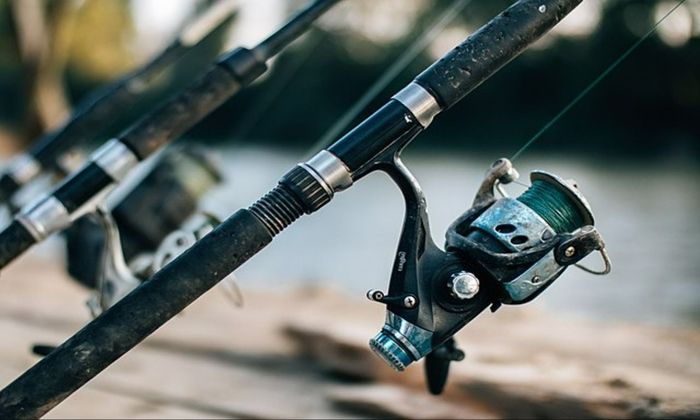
Understanding key gear choices helps anglers present small baits naturally, control depth in changing conditions, and detect subtle strikes. These tools support effective panfish fishing across lakes and ponds throughout all seasons.
Rod Choice: Use a 5–7 ft ultralight spinning rod with fast action. It improves sensitivity, supports tiny lures, and helps detect soft bites from crappie, bluegill, and perch in varying conditions.
Reel Size: Choose a 500–1000 size reel with smooth drag. This setup balances ultralight rods, protects thin lines, and allows precise control when fighting panfish holding near weeds or brush.
Line Setup: Use 2–6 lb mono or fluorocarbon for natural lure action. Light line reduces visibility, increases bite detection, and helps small baits move realistically in clear or stained water.
Slip Bobbers: Ideal for suspended panfish feeding at specific depths. This rig allows controlled presentations around brush, weed edges, and drop-offs without spooking crappie or bluegill.
Micro Jigs: Small jigs excel when targeting deeper crappie or schooling perch. Their compact size mimics larvae and minnows while producing consistent strikes in both clear and lightly stained water.
Soft Plastics: Micro tubes, grubs, and worms imitate natural forage. These lures work across depths, offering subtle movement that triggers strikes from pressured or finicky panfish.
Inline Spinners: Effective for covering water quickly and locating active fish. Their flash and vibration help attract panfish feeding along weed lines, shallow flats, and open pockets.
Ice Tackle: Light ice jigs work well in winter basins where panfish gather. Their small profile and vertical presentation match cold-season behavior in deeper ponds and lakes.
Best Baits and Lures for Crappie, Bluegill, and Perch
Choosing the right bait helps match natural forage, adjust to changing clarity, and trigger strikes from panfish holding at different depths. These options work consistently across lakes and ponds, supporting success in every season and feeding condition.
Live Worms: Earthworms and red wigglers attract bluegill and perch instantly. Their natural scent and movement work in shallow weeds, shaded areas, and around docks where panfish actively search for soft-bodied forage.
Minnows: Small minnows excel for crappie suspending around brush or deeper edges. Their lifelike action triggers feeding responses in clear water and helps locate traveling schools near mid-depth transitions.
Waxworms & Mealworms: These baits shine in colder water when panfish feed more slowly. Their small size and soft texture appeal to bluegill, perch, and crappie during winter or early spring periods.
Soft Plastic Grubs: Single-tail and micro grubs imitate insects and minnows effectively. Their subtle swimming action works well along weed edges, shallow flats, and mid-depth brush piles.
Tube Jigs: Perfect for crappie holding near timber or suspended cover. Their hollow body creates unique movement, making them ideal for vertical jigging or slow lifts in deeper zones.
Micro Swimbaits: Small swimbaits mimic juvenile baitfish and excel in clearer water. Slow retrieves or light jigging help produce strikes along drop-offs and open-water areas.
Inline Spinners: Flash and vibration attract roaming perch and aggressive bluegill. These lures cover water quickly, helping anglers identify active feeding zones along flats and weed lines.
Ice Jigs: Compact ice jigs imitate larvae and work exceptionally well for winter panfish. Their vertical action matches cold-season feeding behavior in deep basins and stable water.
Proven Techniques for Catching Panfish in Lakes and Ponds
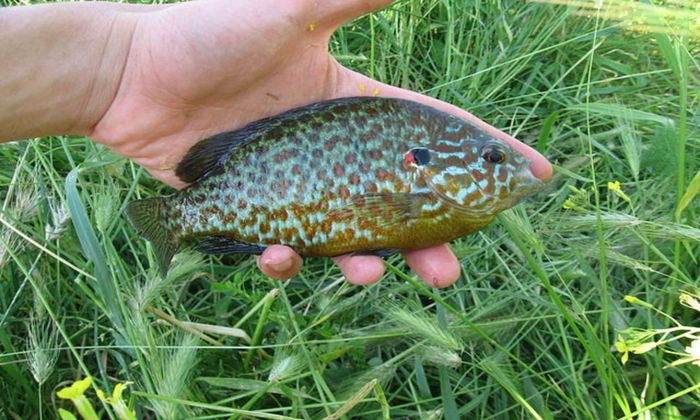
Different techniques help anglers target panfish across depths, structures, and changing conditions. These methods support precise presentations, control lure movement, and improve strike detection when pursuing crappie, bluegill, and perch in lakes and ponds throughout the year.
Slip Bobber Fishing: A slip bobber allows accurate depth control for suspended panfish. It works well around brush piles, weed edges, and mid-depth transitions where crappie and bluegill feed comfortably without being spooked.
Vertical Jigging: Ideal for perch and deeper crappie holding near drop-offs or basins. Slow lifts, gentle shakes, and tight-line drops mimic natural prey movements in colder or clearer water.
Casting Micro Jigs: Light jigs cast easily along weed lines, docks, and shallow flats. Subtle retrieves help imitate insects and minnows, attracting bluegill and crappie feeding near structure.
Slow Trolling: Gradual movement helps locate scattered schools of crappie in larger lakes. Small jigs or minnows presented behind the boat cover more water and reveal productive depths quickly.
Fly Fishing for Panfish: Small poppers, spiders, and wet flies imitate insects resting on the surface or drifting underwater. This technique works best in warm, calm conditions where bluegill feed actively.
How Panfish React to Fishing Pressure and Feeding Competition
Panfish in freshwater lakes and ponds react quickly to noise, frequent casting, or sudden movements, often slipping deeper or tightening around cover when they feel pressured. Bluegill retreat into weeds, crappie cluster around brush, and perch shift slightly off structure to regain security. Using lighter lines, smaller lures, and quieter approaches helps maintain natural feeding behavior in these conditions. During periods of strong feeding competition, especially when perch or crappie gather in schools, strikes become faster and more aggressive as fish compete for available forage. Steady lure movement and consistent depth control often encourage quick responses. Understanding how pressure and competition influence freshwater panfish allows anglers to adjust presentations smoothly while keeping fish active and engaged.
Conclusion
Panfish in lakes and ponds follow patterns shaped by depth, structure, clarity, and temperature, making their movements predictable once these cues are understood. Crappie suspend near cover, bluegill work through shallow weeds, and perch travel in schools along cooler edges, creating clear opportunities for well-presented baits. Matching lure size to conditions, adjusting technique with seasonal changes, and approaching fish quietly help improve consistency across all environments. Anglers who read changing water conditions and adapt their gear, depth, and presentation stay connected to active fish throughout the year. For those who want expert guidance, local freshwater panfish specialists on Guidesly can help refine techniques, choose productive locations, and create a confident plan for any lake or pond trip.
FAQs
1. What is the best time of day to catch panfish in lakes and ponds?
Early mornings and late afternoons work best because panfish roam confidently, chase small forage more actively, and feed closer to open water without strong sunlight limiting movement.
2. Do panfish feed at night in freshwater lakes?
Some panfish, especially crappie, feed after dark when insects gather near the surface. Low light increases comfort, letting them move freely without pressure or disturbance from daytime activity.
3. How deep should I fish for panfish in small ponds?
In ponds, panfish often hold within the upper six feet, shifting slightly based on warmth, available shade, and small forage concentrated along edges or near soft structure.
4. Which color lures work best for bluegill in clear water?
Natural shades like silver, translucent green, and soft brown work well in clear water because they blend with surroundings yet provide enough flash to attract careful, selective bluegill.
5. Is live bait better than artificial lures for catching perch?
Perch often responds strongly to live presentations because scent and movement feel more convincing. Small live options create direct reactions when perch gather in tight, competitive feeding clusters.
6. Can I catch panfish from the shore without a boat?
Yes, shoreline fishing is effective because panfish frequently travel along accessible edges. Casting lightly near visible structure often reaches active fish holding close to shallow transitions.
7. Do weather changes affect panfish feeding behavior?
Sudden shifts in temperature or barometric pressure can pause activity briefly, but steady conditions usually restart movement as fish adjust and settle into predictable feeding patterns again.
8. How can I locate panfish in a lake I’ve never fished before?
Start by exploring visible cover, shaded points, and subtle depth changes. Observing surface activity and small forage concentrations helps narrow down likely holding areas quickly.
9. What line type works best for crappie in open-water situations?
Light fluorocarbon is ideal because it sinks steadily, stays nearly invisible, and supports delicate presentations crappie prefer when roaming away from heavy cover or shoreline structure.
10. Are small spoons good lures for targeting perch?
Yes, small spoons produce strong vibration and flash that attract perch hunting for minnows. Their wobbling action helps cover distance and reach deeper groups holding in cooler zones.