Understanding Seasonal Fishing Patterns
Master seasonal fishing patterns. Explore how fish respond to spring warmth, summer heat, fall feeding, and winter slowdown for better results all year.


Seasonal shifts strongly influence how fish move, feed, and respond to changing conditions, making it essential for anglers to understand how patterns evolve throughout the year. Fish are cold-blooded, so their activity level, preferred habitat, and feeding behavior change with water temperature, daylight, and available forage. As spring warms shallow zones, fish become more active and prepare for spawning. Summer heat drives many species deeper in search of cooler, oxygen-rich water. Fall brings cooler temperatures and heavier feeding as fish prepare for winter. During winter, fish slow down, conserve energy, and hold deeper. Recognizing these natural transitions helps anglers adjust tactics, choose the right locations, and plan more successful year-round fishing trips.
Why Fish Behavior Changes With Seasons (The Science Behind It)
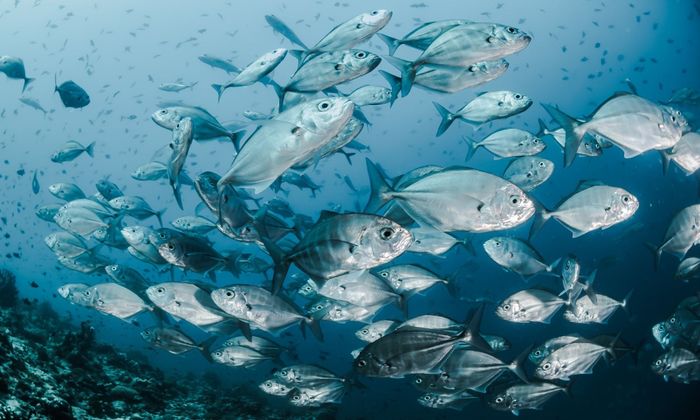
Fish are cold-blooded, so their internal temperature adjusts to the surrounding water, making seasonal shifts a major driver of their activity. When water warms, metabolism rises and fish feed more aggressively. When it cools, their energy use drops and movement slows. Daylight changes also influence feeding windows, spawning cycles, and overall movement patterns. These natural signals help fish conserve energy, seek suitable habitats, and time their reproduction for better survival.
Seasonal changes affect oxygen levels, food availability, and underwater structure, all of which shape where fish hold and how they behave. Vegetation grows in spring and summer, then dies back in fall and winter, altering cover and attracting different prey. Water currents, temperature layers, and baitfish migrations also shift with each season. When anglers understand these environmental triggers, they can predict fish behavior and adjust fishing techniques more effectively.

Spring - The Awakening and Spawning Season
Spring brings warmer water, increasing daylight, and a steady rise in fish activity. As temperatures climb, many species leave wintering depths and transition into shallow feeding and staging areas. These predictable shifts make spring one of the most productive seasons for anglers targeting both freshwater and coastal species.
Why Spring Can Offer Excellent Fishing
Fish feed more aggressively as rising water temperatures boost metabolism.
Shallow areas warm faster, pulling fish into easy-to-reach locations.
Spawning behavior concentrates fish around predictable habitat zones.
Improved oxygen levels support consistent feeding periods.
Protective behavior around spawning sites makes fish more responsive to well-presented baits.
Typical Fish Behavior (Freshwater)
Largemouth Bass: Move toward sunny banks, shallow vegetation, and protected coves to stage and feed before spawning.
Walleye: Travel upriver, toward wind-blown shorelines, or along shallow flats as they prepare for spring spawning runs.
Panfish: Gather around submerged brush, timber, and warm shallow pockets where sunlight increases water temperature.
Typical Fish Behavior (Saltwater)
Redfish (Red Drum): Spread across grass flats and marsh edges as spring temperatures stabilize and baitfish activity increases.
Flounder: Shift from deeper wintering holes into channels, soft-bottom areas, and nearshore shallows as conditions warm.
Speckled Trout: Move onto shallow flats, channel edges, and grassy shorelines to feed actively during warming spring trends.
Best Gear Adjustments for Spring
Medium or medium-light rods for better finesse and shallow-water control.
Lighter line for clear spring water and subtle presentations.
Natural lure colors such as green pumpkin, shad, and silver for realistic movement.
Soft plastics, jigs, suspending jerkbaits, and live minnows to match early-season forage.
Summer: Heat, Depth Shifts, and Changing Feeding Patterns
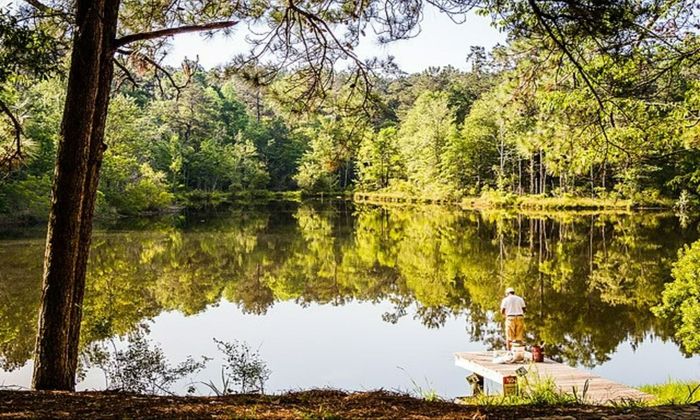
Summer brings intense surface heat, pushing many fish into deeper, cooler, and more oxygen-rich layers. Longer days and warmer temperatures narrow feeding windows, making timing and presentation especially important. Anglers who understand depth transitions, thermocline behavior, and structure positioning can still achieve strong results during the summer months.
Why Summer Can Be Challenging Yet Rewarding
Fish retreat to deeper or shaded zones to avoid surface heat.
Warm temperatures shorten feeding activity during the day.
Thermocline layers create predictable mid-depth holding zones.
Dawn and dusk become the most productive feeding periods.
Consistent underwater structure helps anglers pinpoint fish locations.
Typical Fish Behavior (Freshwater)
White Catfish: Hold in deep holes, channel bends, and low-light zones, becoming most active at night or during cloudy conditions.
Trout: Seek colder spring-fed areas, deeper pools, and shaded runs where oxygen remains higher in warm months.
Perch: Group along deeper weed edges, rock piles, and cooler mid-depth structures while feeding in short bursts.
Typical Fish Behavior (Saltwater)
Snapper: Position around reefs, wrecks, and deeper offshore structures where temperatures and oxygen levels remain stable.
King Mackerel: Follow cooler currents and bait schools, often cruising mid-water columns during early morning feeding windows.
Tarpon: Move toward deeper channels, bridges, and tidal passes while surfacing more actively during low-light or moving-tide periods.
Best Gear Adjustments for Summer
Medium-heavy rods for control over deeper, stronger fish.
Fluorocarbon or heavier line for fishing around structure and vegetation.
Natural, translucent lure colors for bright-water clarity.
Deep-diving crankbaits, jigging spoons, swimbaits, and live bait for targeting thermocline-level species.
Fall - Feeding Surges and Transitional Movements

Fall brings cooling temperatures and stable conditions that trigger fish to feed heavily before winter. As baitfish migrate and vegetation dies back, many species leave deeper summer habitat and move into shallow and mid-depth feeding zones. These transitions create some of the most reliable angling opportunities of the year.
Why Fall Can Be One of the Best Fishing Seasons
Cooling temperatures increase fish energy and mobility.
Predators feed aggressively to prepare for winter.
Baitfish migrations pull fish into predictable strike zones.
Higher oxygen levels open up the full water column.
Reduced fishing pressure improves catch rates.
Typical Fish Behavior (Freshwater)
Smallmouth Bass: Push onto rocky points, shallow flats, and current breaks while aggressively chasing migrating baitfish.
Crappie: Move toward docks, brush piles, and mid-depth timber, schooling tightly around forage-rich structure.
Bluegill: Concentrate along weed edges, submerged cover, and shallow-to-mid-depth transitions where fall forage is abundant.
Typical Fish Behavior (Saltwater)
Striped Bass: Migrate along shorelines, inlets, and river mouths in pursuit of baitfish schools during cooling fall tides.
Black Drum: Gather near channels, oyster bars, and nearshore structure as cooling weather encourages active feeding.
Bluefish: Hunt aggressively along surf zones, rips, and coastal bait concentrations, striking fast-moving lures and schooling forage.
Best Gear Adjustments for Fall
Medium-power rods for efficient coverage with moving baits.
Fluorocarbon leaders for clear water and sharp predator strikes.
Baitfish-pattern colors such as silver, white, or chartreuse.
Crankbaits, swimbaits, spoons, jerkbaits, and live bait to match fall forage movement.
Winter: Slow Metabolism and Deep-Water Holding Patterns
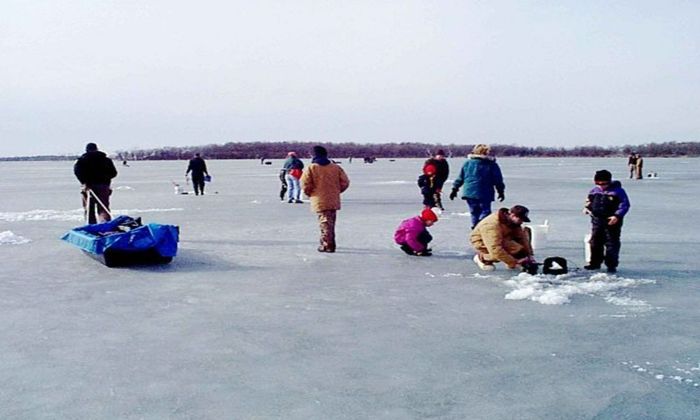
Winter brings cold temperatures that slow fish movement and reduce feeding activity. As water cools, most species settle into deep, stable zones where temperatures and oxygen levels remain comfortable. Anglers relying on patient presentations, subtle movements, and precise placement find the best success during this season.
Why Winter Fishing Requires a Different Approach
Fish conserve energy and avoid chasing fast-moving lures.
Feeding windows become short and often occur midday during slight warmups.
Most species group tightly in deep basins, channels, or holes.
Subtle bites make sensitivity and timing more important.
Slow, controlled presentations match winter feeding behavior.
Typical Fish Behavior (Freshwater)
Northern Pike: Hold near deep weed edges, submerged structure, and slower-moving channels where temperature remains stable.
Salmon: Suspend in colder, deeper water layers, concentrating around current seams and deep pools as activity slows.
Carp: Settle into soft-bottom basins and deep holes, feeding lightly and responding mostly to slow, scent-based presentations.
Typical Fish Behavior (Saltwater)
Sheepshead: Gather around pilings, bridges, jetties, and deep structure where barnacles and crustaceans remain accessible in winter.
Cobia: Position near wrecks, offshore structure, and warmer current lines, occasionally rising when temperatures briefly stabilize.
Jack Crevalle: Move toward deeper coastal channels and drop-offs, feeding selectively during warm spells or tidal shifts.
Best Gear Adjustments for Winter
Sensitive rods for detecting subtle winter strikes.
Fluorocarbon leaders for clear, cold water and finesse presentations.
Natural or muted lure colors that match low-activity feeding behavior.
Vertical jigs, small soft plastics, drop-shot rigs, and live bait for slow, controlled presentations.
Season-Smart Fishing Techniques Every Angler Should Know

Seasonal changes shift how fish feed and move, which makes technique selection important. Matching your approach to the season helps you cover depth changes, feeding windows, and structure more effectively for consistent results throughout the year.
Season | Key Techniques | Why These Techniques Work | Best Situations to Use Them |
|---|---|---|---|
Spring | Spinning (Spin Fishing) | Light tackle mimics early-season forage and works well for active shallow feeders. | Clear shallows, warming banks, emerging vegetation. |
| Jigging | Subtle vertical action triggers strikes from staging fish preparing for the spawn. | Mid-depth flats, structure edges, cool mornings. |
| Fly Fishing | Effective when fish chase insects or surface forage in clear spring water. | Shallow streams, flats, sunny calm days. |
Summer | Trolling | Covers deeper water quickly and helps locate fish suspended along thermoclines. | Large lakes, deep basins, offshore channels. |
| Baitcasting | Provides accuracy and power for deeper fish holding near heavy summer cover. | Thick vegetation, timber, reefs, deep structure. |
| Heavy Tackle Fishing | Ideal for strong fish and heavy structure where more control is needed. | Deep water, strong currents, offshore species zones. |
Fall | Spinning (Spin Fishing) | Versatile for covering water as fish chase bait aggressively during cooling periods. | Shorelines, flats, baitfish migration areas. |
| Bottom Fishing | Targets fish feeding near the bottom as vegetation dies back and forage moves deeper. | Drop-offs, brush piles, rock edges, reefs. |
| Jigging | Works well for reaction strikes from fish following migrating baitfish. | Transitional depths, structure edges, windy banks. |
Winter | Bottom Fishing | Effective for inactive fish holding tight to deep basins or bottom structure. | Deep holes, channels, soft-bottom areas. |
| Spinning (Finesse) | Light rigs and subtle action entice cautious winter fish with limited energy. | Clear cold water, around deep structure. |
| Jigging (Slow) | Slow vertical movements match winter feeding behavior and draw subtle strikes. | Deep basins, thermocline edges, steep breaks. |
How to Use Seasonal Patterns Year-Round
Understanding seasonal behavior gives anglers a framework for predicting where fish will move, how actively they will feed, and which techniques will work best. Each season creates a repeatable cycle shaped by temperature, daylight, oxygen levels, and food availability. When anglers learn to read these patterns, fishing becomes far more strategic and consistent, regardless of species or location.
Year-round success comes from adapting to the season rather than relying on a single approach. Spring rewards shallow exploration, summer demands deeper precision, fall offers aggressive feeding windows, and winter requires slow, patient tactics. Observing water temperature shifts, baitfish movement, and habitat changes helps anglers time their tactics, choose the right lures, and locate fish more efficiently throughout the year.
Seasonal Fishing Tips for Better Year-Round Success
These seasonal fishing tips help anglers apply seasonal knowledge across all water types by matching depth, lure action, and timing with predictable fish behavior.
Water Temperature: Use temperature changes to anticipate when fish move shallow, retreat deep, or shift toward structure during different seasons.
Lure Action: Choose faster, more active retrieves in warm seasons and slow, subtle techniques when colder water reduces fish metabolism.
Follow Forage: Watch baitfish movement, as many species mirror seasonal forage patterns such as spring migrations, fall feeding surges, and winter suspensions.
Seasonal Depth: Target shallow areas in spring and fall, then focus on deeper basins and channels through summer heat and winter cooling.
Light Conditions: Use early morning, evening, and cloudy periods to capitalize on stronger feeding windows, especially in warm-weather months.
Conclusion
Understanding seasonal fishing patterns helps anglers predict where fish will move, how actively they will feed, and which techniques will work best throughout the year. Each season creates clear behavioural shifts, and adjusting to these changes is the key to consistent success. While general patterns apply widely, local water conditions, species differences, and habitat types can influence how strongly fish respond, so observing the environment on every trip remains essential. For deeper insights, explore the fish-species directory on Guidesly, connect with local guides who know seasonal behaviour firsthand, and start applying these strategies to make your next outing more productive and enjoyable.
FAQs
1. What season is generally considered the easiest for beginners to start fishing?
Spring is often easiest because fish move predictably, activity increases, and shallow zones become accessible, allowing beginners to learn positioning, timing, and basic presentation skills comfortably.
2. How can anglers identify shifting seasonal patterns without temperature tools?
Watch baitfish presence, vegetation changes, bird activity, and water clarity. These natural indicators reveal when fish transition between depths, feeding zones, and seasonal movement routes.
3. Do moon phases influence seasonal fishing success?
Yes, moon phases affect feeding intensity and movement. Full and new moons often create stronger tides or light changes that enhance activity during key seasonal windows.
4. What signs show fish are transitioning between seasonal habitats?
Scattered sonar marks, inconsistent bites, or sudden movement of baitfish often indicate species shifting between depths, cover, or structure as seasonal conditions develop.
5. How can wind direction help locate fish during seasonal changes?
Wind pushes plankton and baitfish, drawing predators toward wind-blown banks or points. Observing consistent wind patterns helps pinpoint active feeding zones across seasons.
6. Is water clarity important when identifying seasonal behaviour?
Yes, clarity affects how fish feed and position. Murky water can push fish shallow, while clear water may drive them deeper, especially during seasonal temperature swings.
7. Why do some lakes show stronger seasonal patterns than rivers?
Lakes experience pronounced temperature layers and stable environments, creating predictable behaviour cycles. Rivers change faster due to current, flow shifts, and constant water movement.
8. Can seasonal patterns differ in shaded or heavily vegetated waters?
Yes, shaded environments warm more slowly and cool more slowly, delaying seasonal transitions. Vegetation also influences oxygen levels, altering fish positioning compared to open water.
9. Do artificial structures play a bigger role in certain seasons?
Artificial reefs, docks, and submerged timber become crucial when natural cover declines, especially in winter and midsummer when fish need stable temperature and protection.
10. How can anglers adjust when seasonal patterns don’t match expected behaviour?
Start scanning different depths, slow presentations, and tracking forage movement. When patterns break, flexibility and experimentation quickly reveal where fish have repositioned.