Top 15 Fishing Spots in the Florida Keys
Discover the best fishing spots in the Florida Keys, including top species, seasonal tips, and essential insights to help plan a successful trip.


The Florida Keys offer some of the most diverse fishing opportunities in the world, attracting anglers who want reliable action, warm water, and unforgettable scenery. From shallow flats loaded with bonefish and permit to offshore waters holding mahi, sailfish, and tuna, the region provides year-round excitement for every skill level. Each area has its own character, tides, and seasonal patterns, making choosing the correct location essential for success. Whether you prefer quiet backcountry channels or energetic reef edges, the Keys deliver a mix of challenge and consistency that keeps anglers returning. Understanding what each spot offers helps you tailor your approach, plan trips more effectively, and enjoy the unique fishing culture that defines the Florida Keys.
Key Fishing Areas Across the Florida Keys
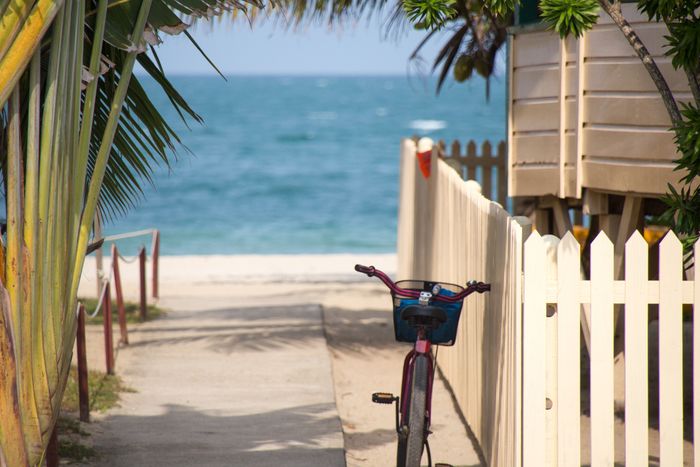
The Florida Keys offer some of the most diverse and productive fishing environments in the world. From shallow flats to deep channels and offshore reefs, each location provides unique opportunities, consistent action, and conditions that suit anglers of every skill level.
1. Key Largo
Key Largo is a prime starting point for anglers exploring the Upper Keys thanks to its mix of shallow flats, mangrove shorelines, and accessible reef systems. The area offers year-round action, clear water, and reliable tidal movement that support a wide range of inshore and nearshore species. Its versatility makes Key Largo ideal for both beginners and experienced anglers.

Species Available
Bonefish
Snook
Permit
Seasonal Tips
Fish early mornings in summer for active tarpon.
Target bonefish on warm, calm days with clear flats.
Snook feed best during incoming tides in spring.
Snapper action peaks around reef edges in the fall.
Key Fishing Benefits
Strong sight-fishing conditions
Multi-species action year-round
Quick access to reefs and flats
Backcountry routes into the Everglades
Amenities
Public boat ramps at John Pennekamp State Park
Marinas offering fuel, docking, and cleaning stations
Local bait and tackle shops nearby
Trailer parking at designated marina launch zones
2. Islamorada
Islamorada is known as the Sportfishing Capital of the World because of its mix of shallow flats, reef edges, and offshore access. The area offers consistent opportunities for sight fishing, bridge fishing, and deep-water action. Clear tides, strong bait movement, and diverse habitats make Islamorada one of the most productive fishing destinations in the Florida Keys.
Species Available
Tarpon
Permit
Mahi-mahi
Seasonal Tips
Target tarpon during spring migrations for peak action.
Bonefish move across warm, calm flats on clear days.
Permit feed actively around flats during late spring and summer.
Mahi-mahi appear offshore in greatest numbers during the summer months.
Key Fishing Benefits
Access to world-famous flats and bridges
Strong offshore opportunities for pelagic species
Reliable tarpon migrations in spring
Productive reef edges with consistent bait flow
Amenities
Public boat ramps at Founders Park and Indian Key Fill
Major marinas like Bud N’ Mary’s offering fuel and dockage
Local bait & tackle shops throughout Upper Matecumbe Key
Parking areas for trailered boats at ramps and marinas
3. Marathon
Marathon sits at the center of the Florida Keys and offers a balanced mix of bridge structure, shallow flats, and nearshore reefs. Reliable tidal flow and easy access to both inshore and offshore waters make this area perfect for anglers targeting multiple species in a single trip. Its variety and predictable movement patterns create consistent action throughout the year.
Species Available
Tarpon
Snapper
Mahi-mahi
Seasonal Tips
Tarpon action peaks around bridges during spring and early summer.
Snook respond best to moving tides and warm conditions.
Snapper fishing improves around reefs during late summer and fall.
Mahi-mahi are most active offshore during the warmest months.
Key Fishing Benefits
Central access to both upper and lower Keys fisheries
Productive bridge structure for tarpon and snook
Strong reef action for snapper species
Reliable offshore runs for mahi-mahi
Amenities
Public ramps at Marathon Community Park and 33rd Street Boat Ramp
Major marinas including Faro Blanco and Sea Dog with fuel and dockage
Multiple bait & tackle shops across Marathon
Trailer parking is available at ramps and marina facilities
4. Big Pine Key
Big Pine Key is known for its quiet backcountry channels, expansive flats, and lighter boating pressure, making it ideal for anglers who prefer a calmer, more technical fishing experience. Clear water and healthy grass flats support excellent sight-fishing conditions, especially for species that thrive in shallow, warm environments. Its natural setting offers steady action for anglers who enjoy exploring open flats and mangrove edges.
Species Available
Bonefish
Tarpon
Snook
Seasonal Tips
Bonefish feed aggressively across warm, shallow flats on calm days.
Tarpon activity increases in spring and early summer.
Permits appear more frequently around flats during warmer months.
Snook respond well to stable tides and rising temperatures.
Key Fishing Benefits
Quiet flats with low angling pressure
Excellent sight-fishing for bonefish and permit
Productive backcountry channels for tarpon
Natural, undeveloped habitat ideal for technical anglers
Amenities
Public boat ramp at Old Wooden Bridge Marina
Full-service marinas on nearby Big Pine and No Name Key
Local bait & tackle access at Big Pine Key shops
Parking available at ramp and marina launch areas
5. Key West Harbor
Key West Harbor offers deep water close to shore, creating dependable year-round fishing opportunities for both beginners and experienced anglers. Strong tidal flow, fast-moving bait schools, and nearby channel edges make the harbor a productive zone for species that thrive in deeper, more stable environments. Its accessibility and consistent action make it one of the most popular fishing areas in the Lower Keys.
Species Available
Tarpon
Snapper
Jack Crevalle
Seasonal Tips
Tarpon peak in spring and early summer around harbor edges.
Snapper action improves near structure during late summer.
Grouper responds well to deeper drops and strong tide movement.
Jack Crevalle feed aggressively during fast-moving tidal periods.
Key Fishing Benefits
Deep-water access within minutes of shore
Reliable tarpon action along harbor edges
Strong structure fishing for snapper and grouper
Consistent tidal flow that attracts bait and predators
Amenities
Public boat ramps at Key West Yacht Club and Garrison Bight Marina
Full-service marinas with fuel, dockage, and cleaning stations
Bait & tackle shops located around Garrison Bight and Old Town
Designated trailer parking at marina and ramp facilities
6. Seven Mile Bridge
Seven Mile Bridge is one of the most iconic fishing spots in the Florida Keys thanks to its strong currents, deep channels, and steady bait movement. The structure creates natural feeding zones that attract powerful migratory species, especially during tide changes. Anglers come here for consistent action, dramatic runs, and the chance to target trophy-class fish from both boat and bridge.
Species Available
Tarpon
Permit
Jack Crevalle
Seasonal Tips
Tarpon migrate heavily through the bridge in spring and early summer.
Snapper hold near structure and bite strongest on moving tides.
Permits appear more often during warm, stable weather.
Jack Crevalle feed aggressively during fast-current conditions.
Key Fishing Benefits
Strong tidal flow that attracts migratory gamefish
Ideal structure for tarpon, snapper, and permit
Productive fishing from both the boat and the bridge
Consistent action around deep channels and pilings
Amenities
Public boat ramps nearby at Marathon and Key West
Parking areas available for shore and bridge anglers
Bait & tackle shops located throughout Marathon
Marinas close by offering fuel, dockage, and supplies
7. Long Key Bridge
Long Key Bridge is known for steady tidal movement, deep channels, and wide casting access, making it a reliable location for anglers targeting powerful inshore species. The bridge’s structure creates natural choke points where fish gather to feed, especially during incoming and outgoing tides. Its blend of depth, current, and habitat makes it one of the most productive bridge-fishing spots in the Middle Keys.
Species Available
Snook
Snapper
Jack Crevalle
Seasonal Tips
Tarpon activity peaks in spring and continues through early summer.
Snook feed actively on warm days with strong tidal movement.
Snapper bite increases near pilings during summer and fall.
Jack Crevalle responds best during fast-moving currents.
Key Fishing Benefits
Wide casting access along the bridge span
Strong current flow attracting predatory species
Deep channels ideal for tarpon and jack activity
Productive structure holding snapper and snook
Amenities
Public access parking areas near both ends of Long Key Bridge
Nearby boat ramps at Long Key State Park and Conch Key
Local bait & tackle shops in Long Key and Layton
Shore access points suitable for bridge and roadside anglers
8. Florida Bay Backcountry
Florida Bay Backcountry features mangrove islands, winding channels, and expansive shallow flats that create ideal habitat for classic inshore species. Its quiet, sheltered environment supports excellent sight fishing and steady year-round action. Changing tides, warming trends, and shifting bait schools make the backcountry a dynamic area where anglers can target multiple species in a single trip.
Species Available
Snook
Tarpon
Sea Trout
Seasonal Tips
Redfish feed aggressively on shallow flats during warm periods.
Snook respond well to incoming tides and rising temperatures.
Tarpon activity increases in spring and early summer.
Sea trout hold in deeper pockets during cooler months.
Key Fishing Benefits
Quiet, sheltered waters ideal for sight fishing
Healthy mangrove shorelines supporting inshore species
Productive flats for redfish, snook, and trout
Multiple channels offering tarpon migration paths
Amenities
Public ramps at Flamingo Marina (main backcountry access point)
Kayak and skiff launch areas throughout Everglades National Park
Bait & tackle availability at Flamingo and nearby Keys towns
Designated parking areas at access ramps and launch sites
9. Dry Tortugas
Dry Tortugas offers remote, crystal-clear waters with healthy reef systems and minimal fishing pressure, creating some of the most productive conditions in the Florida Keys. Its isolated structure, strong currents, and vibrant coral edges attract powerful offshore and reef species. Anglers visit this area for reliable action, deep-water opportunities, and access to species that thrive in pristine, nutrient-rich environments.
Species Available
Snapper
Grouper
Mahi-mahi
Seasonal Tips
Snapper fishing peaks in summer around reef drop-offs.
Grouper responds well to deep structure year-round.
Amberjack feed aggressively during strong tidal movement.
Mahi-mahi appear offshore in the highest numbers during warm months.
Key Fishing Benefits
Extremely low fishing pressure in remote waters
Healthy reefs supporting large snapper and grouper
Deep-water structure ideal for amberjack
Clear, nutrient-rich currents attracting pelagic species
Amenities
Limited facilities at Fort Jefferson (restrooms, water is NOT available)
Designated anchoring and mooring areas for private boats
Ferry and seaplane access from Key West (no on-site fuel or launch ramps)
Overnight camping areas on Garden Key with designated permit zones
10. Bahia Honda
Bahia Honda is one of the most famous tarpon hotspots in the Florida Keys, known for deep channels, strong tides, and excellent water clarity. The area offers prime conditions for sight fishing during peak migration periods and supports consistent action for anglers targeting powerful inshore species. Its combination of depth, flow, and bait movement makes it a highly productive location throughout the year.
Species Available
Tarpon
Permit
Snapper
Seasonal Tips
Tarpon migration peaks in spring and early summer.
Permit frequent nearby flats during warm, stable weather.
Snapper feed strongest around structure with moving tides.
Jack Crevalle strike aggressively during fast current periods.
Key Fishing Benefits
Exceptional tarpon sight-fishing conditions
Deep channels ideal for strong tidal flow species
Nearby flats supporting permit and trout action
Consistent bait movement attracting predators
Amenities
Public boat ramp at Bahia Honda State Park
Shore access points for bridge and beach anglers
Picnic areas, restrooms, and parking within the park
Nearby bait & tackle shops in Big Pine Key
11. Marquesas Keys
The Marquesas Keys offer remote, untouched flats and circular lagoons that hold some of the most challenging gamefish in the Florida Keys. Clear water, minimal boating pressure, and diverse bottom structure create ideal conditions for sight fishing and technical presentations. This area is known for strong fish movement during tide changes and provides excellent opportunities for anglers seeking quiet, productive water.
Species Available
Permit
Tarpon
Jack Crevalle
Seasonal Tips
Permit feed aggressively across flats during late spring and summer.
Tarpon are most active in warmer months with strong tides.
Bonefish prefer calm, clear conditions on warm days.
Jack Crevalle appear more often when tides push bait through channels.
Key Fishing Benefits
Extremely low angling pressure in remote waters
Exceptional sight-fishing for permit and bonefish
Productive lagoon and channel edges for tarpon
Quiet environment ideal for technical presentations
Amenities
No on-island facilities (fully undeveloped area)
Anchoring and drift fishing areas for private boats
Closest fuel, supplies, and ramps available in Key West
Charter operators from Key West providing guided access
12. Sombrero Reef
Sombrero Reef is known for clear water, vibrant coral structure, and steady reef activity that attracts a variety of hard-fighting fish. The mix of shallow coral heads, deeper ledges, and open pockets makes this area productive for both novice and experienced anglers. Its reliable visibility and diverse habitat support excellent action during changing tides and warm weather conditions.
Species Available
Snapper
Grouper
Amberjack
Seasonal Tips
Snapper hold tight to reef edges during summer and early fall.
Grouper responds best to deeper drops with strong currents.
Amberjack feed aggressively around structure during tide shifts.
Mahi-mahi appear offshore in larger numbers during warm months.
Key Fishing Benefits
Clear visibility ideal for spotting reef species
Healthy coral structure supporting snapper and grouper
Strong tidal movement that attracts pelagic fish
Productive deeper edges for amberjack action
Amenities
Closest boat ramps located in Marathon (33rd Street & Marathon Marina)
Mooring buoys available at Sombrero Reef for safe anchoring
Full-service marinas in Marathon offering fuel and ice
Local bait & tackle shops throughout Marathon for offshore gear
13. Boca Chica Channel
Boca Chica Channel offers steady tidal movement, structured edges, and open flow that attract powerful inshore species year-round. Its combination of depth changes, bait presence, and bridge influence makes it a productive zone for anglers targeting fast-moving fish. Clear water and strong current transitions create consistent feeding opportunities throughout the seasons.
Species Available
Tarpon
Snapper
Barracuda
Seasonal Tips
Tarpon action peaks during spring migrations and warm tides.
Jack Crevalle feed aggressively during fast-moving currents.
Snapper hold near structure and bite stronger in summer.
Barracuda strike well on bright, clear days with active bait.
Key Fishing Benefits
Strong current flow ideal for migratory species
Productive structure along channel edges and bridges
Consistent action for fast-moving predators
Clear water supporting sight-based presentations
Amenities
Public boat ramps nearby at Garrison Bight and Stock Island
Full-service marinas on Stock Island offering fuel and dockage
Local bait & tackle shops throughout Key West and Stock Island
Designated parking at nearby ramp and marina facilities
14. Rodriguez Key
Rodriguez Key features a mix of shallow flats, reef edges, and open water that supports a wide range of inshore and nearshore species. Clear visibility and sandy-bottom areas make it especially popular for sight fishing and exploring light-tackle opportunities. Consistent tidal flow keeps bait moving through the area, creating reliable feeding activity throughout the year.
Species Available
Permit
Snapper
Barracuda
Seasonal Tips
Bonefish feed actively on warm, calm flats.
Permits appear more often during late spring and summer.
Snapper gather near reef edges with steady tidal movement.
Barracuda strike best on bright, clear days.
Key Fishing Benefits
Clear water ideal for sight-fishing
Productive reef edges for snapper and permit
Shallow flats supporting bonefish opportunities
Reliable bait movement attracting predatory species
Amenities
Closest public boat ramps in Key Largo (Rowell’s Waterfront Park & Pennekamp)
Local marinas offering fuel and dockage near Key Largo
Bait & tackle shops throughout Key Largo and Tavernier
Designated anchoring areas around Rodriguez Key for boats
15. Pigeon Key
Pigeon Key offers productive fishing around bridge structure, tidal channels, and shallow sandy edges that attract a variety of inshore species. Steady current flow and nearby drop-offs create natural feeding zones, giving anglers consistent action throughout the year. Its central location and accessible waters make it a dependable spot for targeting multiple species in changing conditions.
Species Available
Tarpon
Snapper
Jack Crevalle
Seasonal Tips
Tarpon peak around bridge edges during spring and early summer.
Snapper feed well near pilings and rocky structure in warm months.
Jack Crevalle respond strongest to moving tides and active bait.
Barracuda strike aggressively during bright, clear weather.
Key Fishing Benefits
Productive bridge structure holding multiple species
Strong tidal flow that attracts bait and predators
Drop-offs and sandy edges ideal for ambush feeders
Consistent action suitable for various techniques
Amenities
Closest public boat ramps are located in Marathon (33rd Street & Harbor Drive)
Nearby marinas offering fuel, dockage, and supplies
Bait & tackle access throughout Marathon and Key
Parking areas are available at the nearby ramp and marina facilities
Local Guides in the Florida Keys
Hiring a local guide can make a major difference in how successful and efficient your fishing trip becomes. Guides know how tides shift across the Keys, where bait holds during different seasons, and how each location responds to weather changes.
Why Local Guides Are Helpful
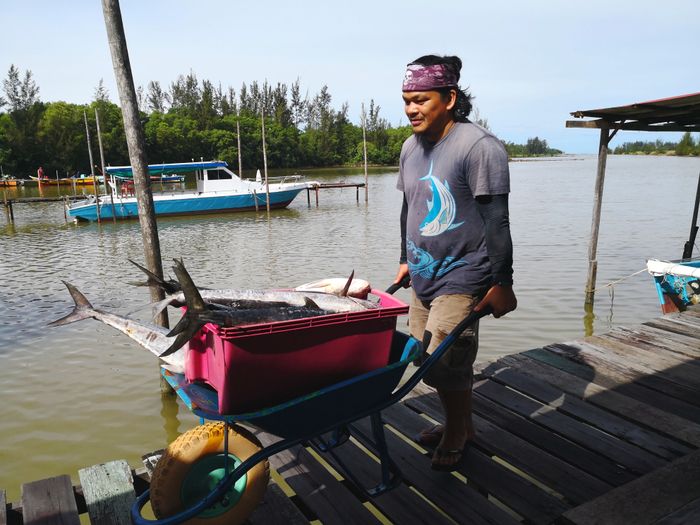
Hiring a local guide gives anglers an immediate advantage in unfamiliar waters. Their on-the-water experience shortens the learning curve, helps avoid unproductive areas, and ensures each trip begins with a clear plan based on conditions, terrain, and the day's opportunities.
They follow daily tide, wind, and water clarity changes.
They know which species are active in specific areas and seasons.
They provide the right techniques for flats, bridges, backcountry, or offshore zones.
They supply gear, bait, and safety knowledge tailored to the area.
What to Look for in a Florida Keys Guide
Selecting the right guide starts with matching their strengths to your fishing goals. A reliable guide provides clarity, professionalism, and familiarity with local conditions, helping you understand what to expect and ensuring your time on the water is productive and enjoyable.
Experience targeting specific species such as tarpon, bonefish, or snapper.
Familiarity with flats, channels, or offshore waters, depending on your goals.
Clear communication about tides, conditions, and expected fishing style.
Positive local reputation and understanding of responsible fishing practices.
When a Guide Is Most Valuable
Some situations call for expert support, especially when timing, weather, or technique demands precision. In challenging or unfamiliar scenarios, a guide helps anglers stay efficient, make better decisions, and approach each location with confidence based on local knowledge and conditions.
During peak tarpon season, timing and positioning are critical.
On windy days, when reading, it is protected from water matters.
When learning sight fishing or flats techniques for the first time.
When exploring remote areas such as the Dry Tortugas or the Marquesas Keys.
Common Mistakes to Avoid in the Keys
Fishing the Florida Keys is incredibly rewarding, but minor oversights can quickly reduce your chances of success. Many first-time and even experienced anglers underestimate how much tides, clarity, and species behavior change across short distances. Recognizing these common mistakes helps you avoid wasted time and makes your time on the water far more productive.
Mistakes Many Anglers Make
Checking Tides: Fishing without checking tides makes anglers miss prime feeding windows when fish are most active.
Water Clarity: Ignoring water clarity leads to using lures that do not match visibility and reduces strike chances.
Boat Positioning: Running the boat too close to shallow flats spooks fish before the angler even starts casting.
Spot Adjustment: Staying in one spot too long stops anglers from adapting to changing conditions and fish movement.
Gear Selection: Using gear that is too heavy or too light creates poor presentations and missed hookups with targeted species.
Wind Direction: Overlooking wind direction affects drift speed, cast angles, and how fish see the lure.
Tactic Variation: Focusing on one tactic limits success when anglers fail to adjust retrieve speed or fishing depth.
Timing: Arriving late in the morning results in missing fish that feed early and then move off the flats.
Conclusion
The Florida Keys remain one of the most rewarding fishing destinations thanks to their mix of shallow flats, deep channels, reef systems, and remote islands that support year-round action. Each location offers something different, whether it’s sight fishing for bonefish, chasing tarpon migrations, or exploring offshore waters for mahi and snapper. Understanding how tides, weather, species movement, and habitat structure influence fishing helps anglers make smarter decisions and enjoy more consistent results. For those who want expert support, local knowledge, and access to guides who fish these waters daily, Guidesly connects anglers with experienced professionals across the Keys who can help make every trip more productive and memorable.
FAQs
1. What licenses do I need to fish in the Florida Keys?
Visitors need a Florida saltwater fishing license unless booking a charter. Regulations vary by species, so checking updated state rules ensures compliance and prevents issues during trips.
2. Are the Florida Keys good for beginner anglers?
Yes, beginners benefit from calm water, accessible fishing areas, and steady conditions. Many charters offer beginner-friendly guidance, making learning easy while still providing enjoyable action.
3. Can you fish the Florida Keys without a boat?
Yes, bridges, piers, shorelines, and public access areas provide excellent opportunities. Many spots allow a strong casting range and consistent bites without requiring a boat.
4. What gear should I bring for a Florida Keys fishing trip?
Light spinning gear, polarized sunglasses, breathable clothing, sunscreen, and versatile lures work well. Conditions shift quickly, so adaptable equipment provides comfort and reliable performance daily.
5. Is night fishing good in the Florida Keys?
Yes, night fishing is productive around bridges and lighted structure. Many species feed aggressively after dark, offering quieter conditions and steady action throughout the evening.
6. Do tides affect fishing success in the Keys?
Yes, tides control fish movement and feeding patterns. Planning around incoming or outgoing tides increases opportunities by aligning your approach with natural activity windows effectively.
7. Are guided trips worth it for visitors?
Guided trips offer valuable local knowledge, safe navigation, and targeted strategies. Guides help visitors understand conditions quickly and improve success during both inshore and offshore trips.
8. Can families enjoy fishing in the Florida Keys?
Yes, family-friendly spots and calm inshore waters make the Keys ideal. Active species and short travel distances help keep children engaged and comfortable while fishing.
9. What should anglers avoid bringing on a Keys trip?
Avoid heavy tackle, unnecessary gear, and bulky clothing. Lightweight equipment and breathable outfits perform best in warm conditions and make fishing easier all day.
10. Is catch-and-release common in the Florida Keys?
Yes, catch-and-release is widely practiced to protect fisheries. Gentle handling, quick releases, and awareness of local regulations help maintain healthy fish populations long-term.